Impact Story #04
Early Detection of Bone Loss
Osteoporosis often goes undetected for a long time—until a bone breaks. A spin-off from marine research now enables earlier diagnosis.
Osteoporosis affects millions of people worldwide. The gradual loss of bone mass often goes unnoticed until fractures occur. Early diagnosis is crucial for initiating timely treatment.
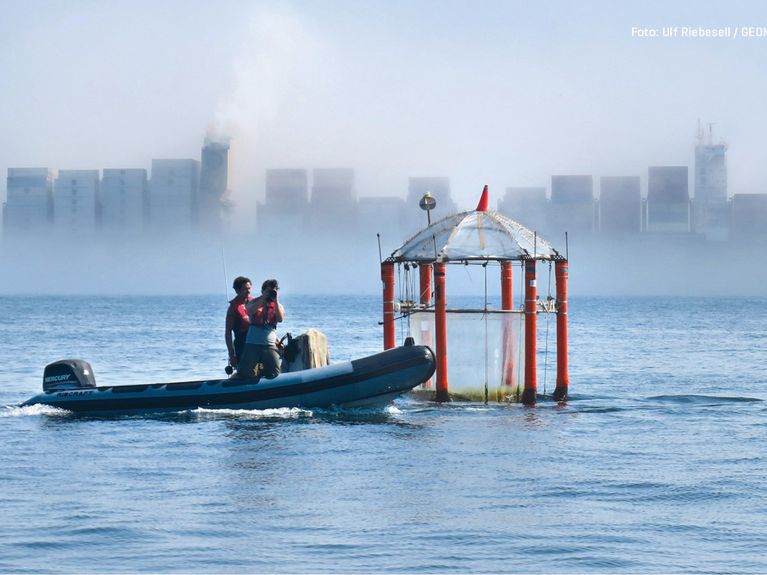
The basis for a new diagnostic method unexpectedly emerged from marine research. At the GEOMAR Helmholtz Centre for Ocean Research in Kiel, researchers investigated how changes in calcium balance within coral skeletons could be accurately quantified. Researchers later applied these biochemical methods to the analysis of human bone metabolism.
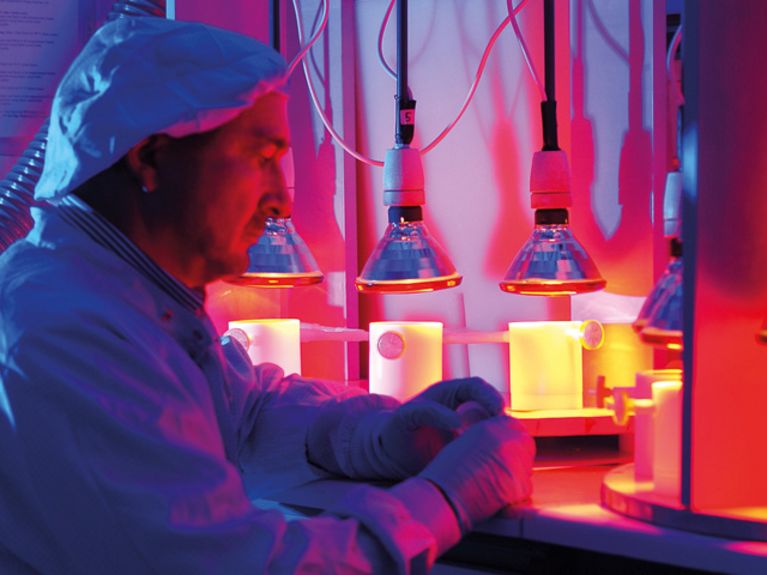
In 2018, this led to the spin-off Osteolabs. The company developed the OsteoTest, a blood test based on the CIM (Calcium Isotope Marker) biomarker. The test can often detect early-stage bone calcium loss sooner than traditional imaging methods, such as DXA bone density measurements.
The advantage is that doctors can identify the risk of bone loss at an earlier stage and tailor treatments more precisely, for example, through medication, dietary adjustments, or exercise. What began as basic research into calcium formation in corals is now helping detect osteoporosis earlier and prevent bone fractures.
Image: osteolabs