Impact Story #02
Detecting Deepfakes
Deceptively realistic AI-generated fakes threaten trust in digital information. Researchers at CISPA are developing methods to reliably detect manipulated images, videos, and audio files.
Artificial intelligence can now generate realistic images, voices, and videos—so-called deepfakes. They are becoming increasingly difficult to distinguish from real content and can spread disinformation or enable fraud.
Researchers at the CISPA Helmholtz Center for Information Security are therefore developing new methods to detect such manipulations. To do this, they also use artificial intelligence: Special models are trained with large datasets of real and artificially generated media to recognize typical signs of manipulation.
To quickly put this technology into practice, CISPA researchers founded the startup Detesia. The company develops tools that allow organizations to automatically verify the authenticity of digital content.
The applications are primarily aimed at sectors where reliable information is crucial—such as financial institutions, law enforcement agencies, or media companies. Initial pilot projects are already underway, including collaborations with investigative authorities, insurance companies, and journalists. The international investigative network Bellingcat also uses the analysis tools to verify suspicious online content.
The technology helps ensure trust in digital information—at a time when AI-generated fakes are becoming increasingly convincing.
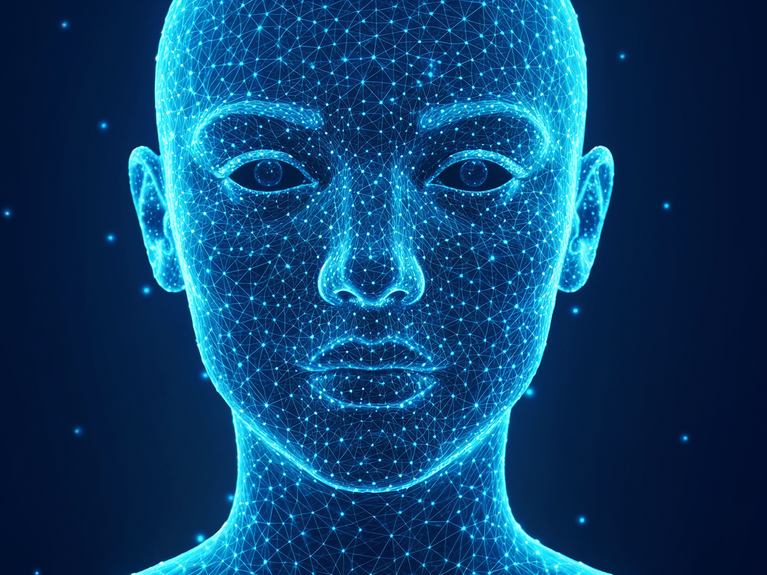
Image: Freepik/AI-Generated