Impact Story #10
Clean Air While Refueling
When refueling, gasoline vapors escape into the atmosphere, contributing to air pollution and environmental harm. A membrane technology developed by Helmholtz researchers enables the recovery of these vapors.
Filling fuel tanks releases volatile organic compounds (VOCs), gasoline vapors that contribute to air pollution and may pose health risks. Strict regulations are therefore in place worldwide to reduce these emissions.
Researchers at Helmholtz Centre Hereon have developed highly selective polymer membranes for gas separation. Gasoline vapor recovery systems first incorporated this technology more than two decades ago. In these systems, vapors generated during refueling pass through a membrane. The hydrocarbons are concentrated, liquefied, and returned to the storage tank, while purified air exits the system.
This process reduces VOC emissions by more than 90 percent. At the same time, the recovered vapors are returned to the fuel system, thereby preventing fuel loss.
The technology has been licensed worldwide and has undergone continuous improvement. Today, more than 1,000 systems are in operation, and membrane technology plays an increasingly important role in applications such as hydrogen separation, industrial exhaust gas treatment, and chemical production.
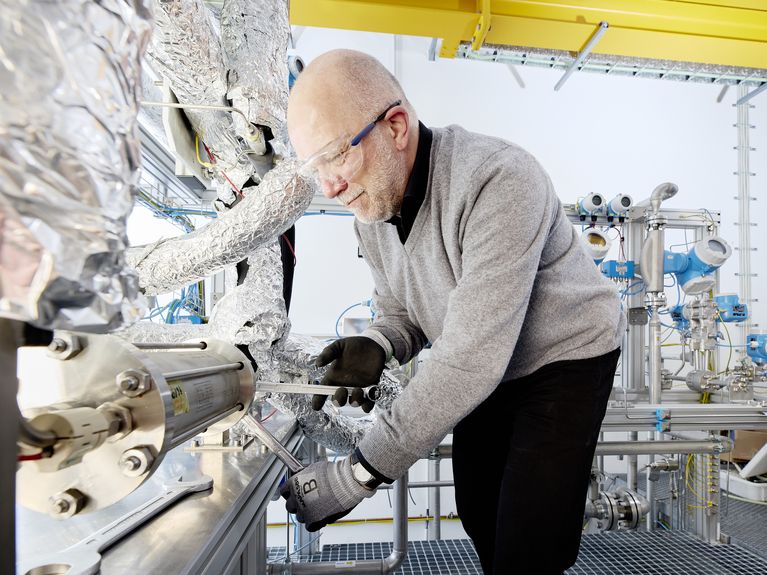
Image: Christian Schmid